badge icon

Third Sector Intelligence

See Every Child. Understand Your Entire Early Childhood System.
Every decision in early childhood has a lasting impact. CUSP gives states and local governments the clarity to make those decisions with confidence—so more children have access to the services they need to succeed.

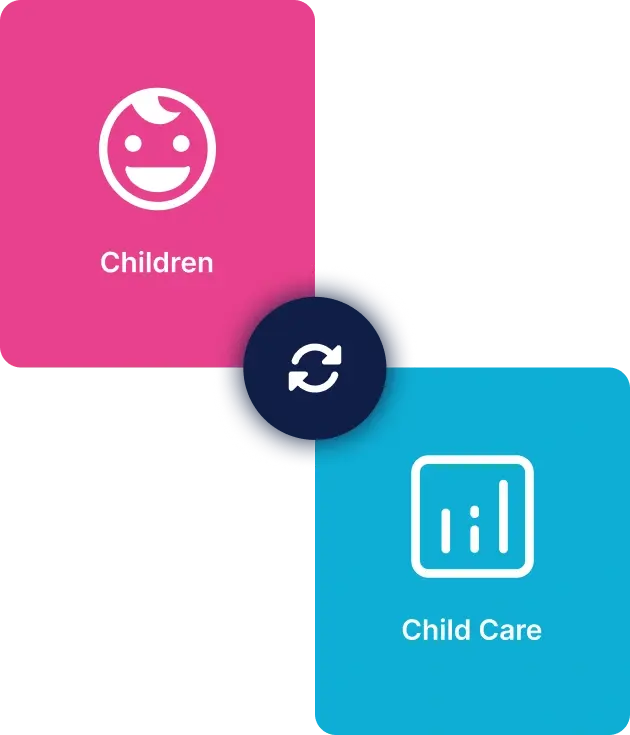
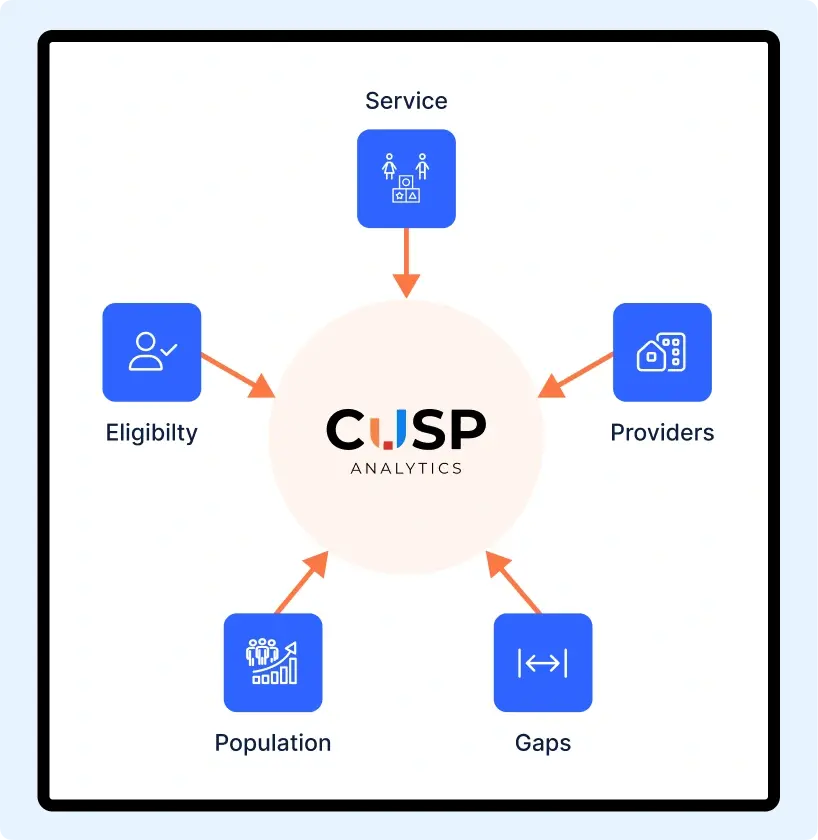
CUSP is a modern Early Childhood Integrated Data System (ECIDS) that connects data on children, services, and providers into a single, child-centered view. With one platform, states and local governments can identify gaps in services, track outcomes, and better understand how children and families experience the early childhood system.
childhood-data-image

What You Can Do with CUSP

Frame 2147224932

Make Better Decisions

Understand which communities lack access to early childhood services, where demand is growing, and how programs are performing. Use real-time insight to guide funding, policies, and priorities.

Frame 52-1

Strengthen Accountability

 Track how public funds are used and build confidence that they are reaching the children and families they are intended to support.

Built for everyone working on early childhood systems

For policymakers

Get a clear and current picture of your early childhood system. Identify underserved communities and make informed decisions about where to invest next.

For program leaders

Monitor participation, evaluate effectiveness, and improve how services are delivered.

For compliance and audit teams

Detect risks early, focus on cases with the greatest potential impact, and protect the integrity of your programs.

For researchers and analysts

Work with reliable, integrated data.

From insight to action in real time.

success-platform-image

Child Universal Success Platform (CUSP)

Most early childhood data only tell you what happened last year. CUSP shows you what is happening right now.

With timely, reliable information, states and local governments can respond faster, adapt sooner, and continuously improve how they serve children and families.
operational-module-image

Start where you need to

CUSP is flexible. Agencies can begin with the modules they need most and add new modules over time. 

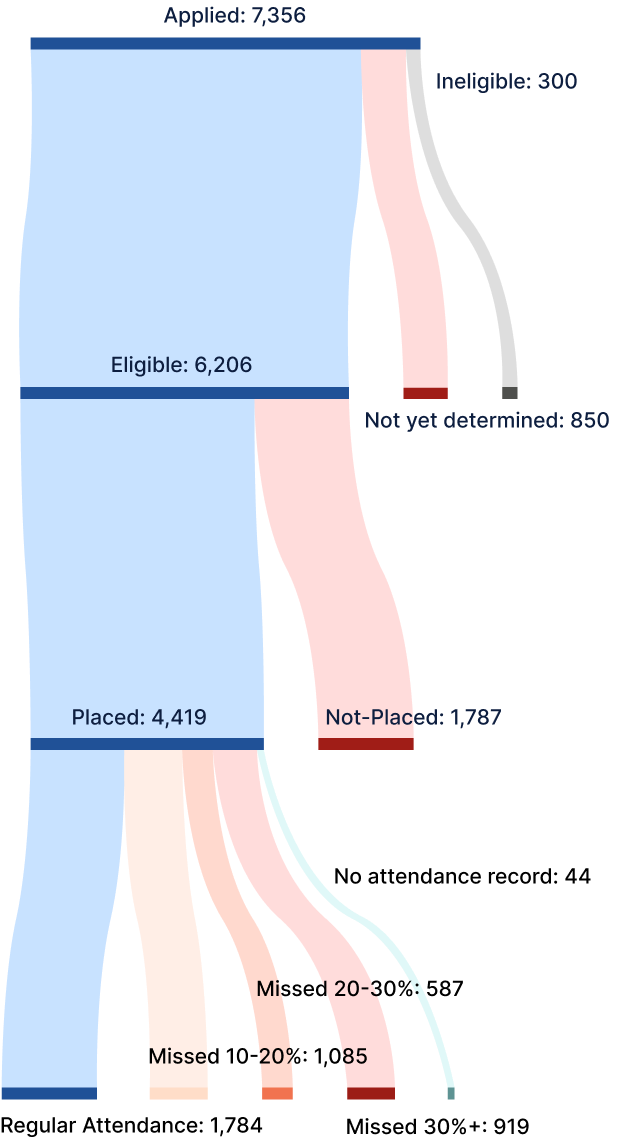
Whether you are focused on licensing and provider oversight; application, eligibility, enrollment, and attendance; compliance monitoring and risk detection; or operations and funding, CUSP meets you where you are and aligns with your priorities.
 

risk-analyist-image

Featured Module: Risk Analytics for Compliance

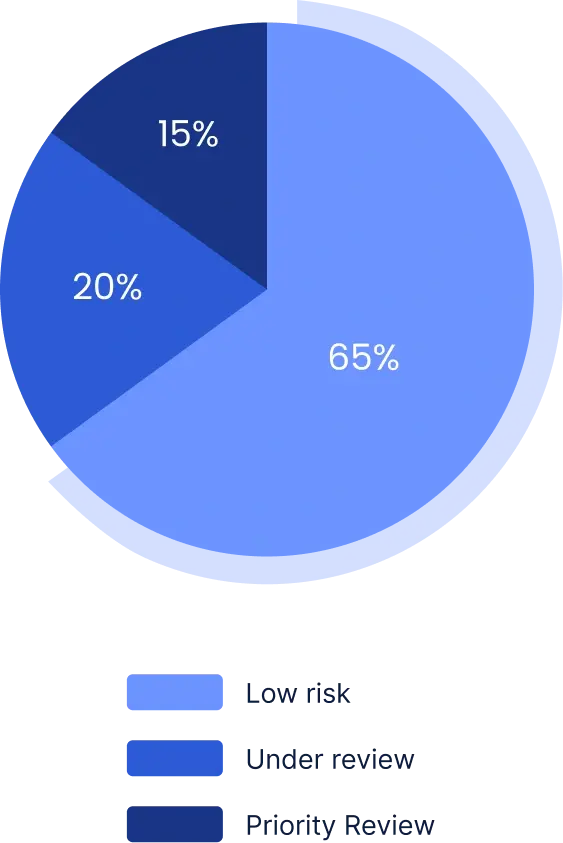
Move from reactive audits to proactive oversight. Using CUSP’s integrated platform, agencies can evaluate patterns across providers, services, and program activity to surface potential risks earlier.

With clearer visibility, compliance teams can target higher-risk cases and monitor trends over time—strengthening program integrity and supporting responsible stewardship of public funds.

Who is 3Si?

3Si is the leading provider of Early Childhood Integrated Data Systems (ECIDS), helping states and local governments better understand and improve their early childhood systems.

Agencies choose 3Si because we combine:

Frame 2147237528

Deep early childhood expertise

Frame 2147237529

Proven ECIDS architecture

Frame 2147237530

Modern analytics and data integration capabilities

Frame 2147237531

Tools designed specifically for real government operations

The result is a more connected early childhood system, more confident decision-making. and stronger outcomes for children and families.
child-universal-new-image

Child Universal Success Platform (CUSP)

Today, Illinois, Georgia, Massachusetts, Washington D.C.,  and Maryland use 3Si technology to gain clearer insight into how they serve children and families. For nearly 15 years, 3Si has supported states and local governments across the U.S. in designing and implementing ECIDS. This work with states that include Washington, California, Oklahoma, and Wyoming  helped shape the architecture and capabilities that power CUSP today.  

Frequently Asked Questions

What is the Child Universal Success Platform (CUSP) and how does it help state agencies?

The Child Universal Success Platform (CUSP) is a modern Early Childhood Integrated Data System designed to give government agencies a complete view of how children experience early childhood programs. Unlike traditional administrative systems that manage individual programs separately, CUSP integrates data on children, services, and providers across the entire ecosystem to create a unified, child‑centric view of the system. This allows agencies to identify service gaps, monitor outcomes, improve service quality, and make more informed policy decisions.Through CUSP, state leaders can answer critical questions such as which children should be receiving services but are not, whether services are accessible to families, and how programs are distributed across communities. By bringing previously disconnected data together, agencies gain a reliable foundation for planning, funding, and improving early childhood systems.

How does the Child Universal Success Platform (CUSP) connect disconnected child care systems?

3Si’s platform connects fragmented systems by integrating data from multiple programs and agencies into a standardized analytic foundation. CUSP establishes a unified data environment that combines information about children, providers, services, and programs so agencies can analyze supply and demand, provider capacity, service access, and program overlap across publicly funded initiatives.

This cross‑program integration allows agencies to move beyond isolated reporting and understand how the entire early childhood system functions together. Leaders can see who is being served, where gaps exist, and how services are distributed across communities—insight that is nearly impossible to achieve when data remains siloed.

What are Early Childhood Operational Modules and who are they designed for?

Early Childhood Operational Modules are specialized childcare management software programs within the CUSP ecosystem, built for program leaders overseeing Risk and Audit, Program Lifecycle, and Licensing workflows. Unlike traditional Early Childhood administrative systems, these modules are designed around the specific operational realities of publicly funded child care programs, making them the top choice for agencies that need actionable intelligence, not just data management. They work seamlessly as part of a broader agency data software strategy, helping program leaders improve compliance and streamline day-to-day operations. Ultimately, they exist to raise the quality of care delivered at every childcare center across a state's network.

How does 3Si help government agencies improve child care program outcomes using data?

3Si helps government agencies move from reactive management to proactive, data-driven decision-making through its suite of early childhood software tools and analytics platforms.

CUSP enables agencies to analyze the relationship between children, services, and providers across the entire early childhood ecosystem. By integrating data from multiple programs, the platform allows leaders to determine which children are receiving services, which children are eligible but not being served, and where services are unavailable or difficult for families to access.

The system also analyzes service supply and demand, provider capacity utilization, and geographic access to programs. With these insights, agencies can identify child care deserts, evaluate whether current programs are meeting community needs, and direct investments toward the populations and locations where they will have the greatest impact.

How does CUSP support data-driven policy and program decisions?

The Child Universal Success Platform (CUSP) is a modern Early Childhood Integrated Data System designed to give government agencies a complete view of how children experience early childhood programs. Unlike traditional administrative systems that manage individual programs separately, CUSP integrates data on children, services, and providers across the entire ecosystem to create a unified, child‑centric view of the system. This allows agencies to identify service gaps, monitor outcomes, improve service quality, and make more informed policy decisions.Through CUSP, state leaders can answer critical questions such as which children should be receiving services but are not, whether services are accessible to families, and how programs are distributed across communities. By bringing previously disconnected data together, agencies gain a reliable foundation for planning, funding, and improving early childhood systems.